Camping in a tent during winter offers a completely different kind of adventure. It’s a chance to experience the peace and quiet of nature, along with stunning snow-covered landscapes and a sense of solitude. While it may seem intimidating at first, winter camping can be incredibly rewarding, especially when you’re properly prepared. In this guide, we’ll walk you through the best tips on how to stay warm and enjoy camping in a tent in the winter, ensuring that your trip is both fun and safe.
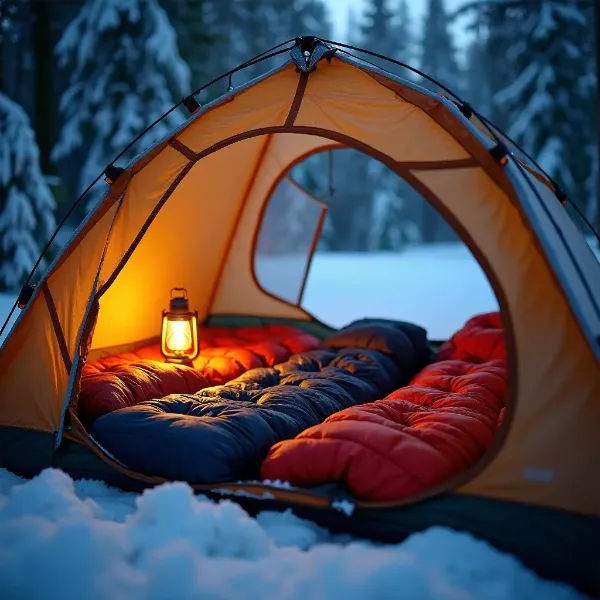
Essential Gear for Keeping Warm During Winter Camping
When it comes to winter camping, having the right gear is essential. With the right equipment, you can stay warm and comfortable, even when the temperature drops well below freezing. Here’s a breakdown of the must-have items for winter tent camping.
Choose the Right Tent for Winter Conditions
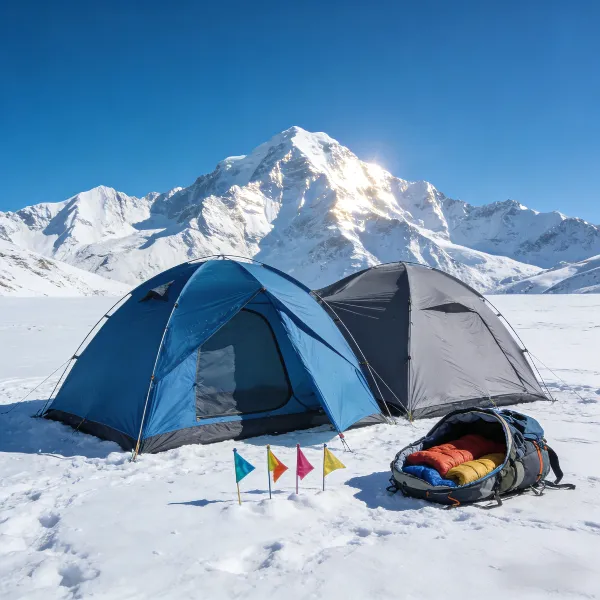
Your tent is your first line of defense against the cold, so choosing the right one is key. A four-season tent is designed for extreme winter conditions, with stronger poles and materials that can handle heavy snow and high winds. These tents are built to keep you warm and safe in the harshest conditions.
If you're camping in milder winter weather, a three-season tent might work, but it lacks the durability and features of a four-season tent. While it’s fine for lighter snow and colder nights, it doesn’t offer the same protection from the elements.
Invest in a Sleeping Bag for Extreme Cold
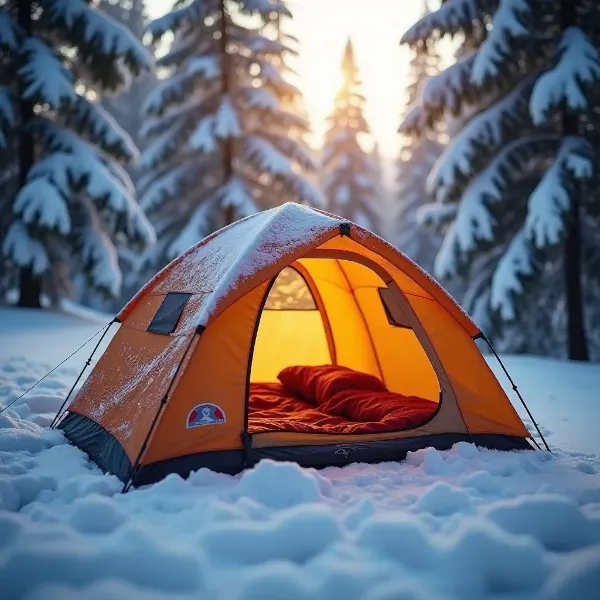
A high-quality sleeping bag is essential for winter camping. Choose a bag that’s rated for temperatures at least 10-20°F colder than what you expect. This extra insulation will keep you warm when the temperatures drop.
To add an extra layer of warmth, consider bringing a blanket or a sleeping bag liner. These items help trap heat, keeping you cozy even in the coldest weather.
Use Insulated Sleeping Pads for Comfort
Sleeping on cold ground can quickly sap your body heat, so a good sleeping pad is essential. Look for a pad with a high R-value, which indicates its insulating ability. The higher the R-value, the better it will keep you warm and comfortable throughout the night.
A high-quality sleeping pad not only keeps you off the cold ground but also provides much-needed comfort after a long day of outdoor activity.
Layer Your Clothing for Maximum Warmth
When it comes to winter camping, layering is crucial. Start with a thermal base layer that wicks moisture away from your skin to keep you dry. Next, add a wool sweater or fleece, then top it off with a waterproof and windproof jacket.
In your tent, wear warm wool socks, a hat, and gloves to trap as much heat as possible. Thermal base layers are especially important, as they help regulate your body temperature and keep you warm, even if you’re not moving around.
How to Keep Your Tent Warm in Winter
Keeping your tent warm during winter camping isn’t just about wearing the right clothes. It also involves choosing the right campsite, managing condensation, and using heat sources safely. Here’s what you need to know.
The Importance of a Good Campsite
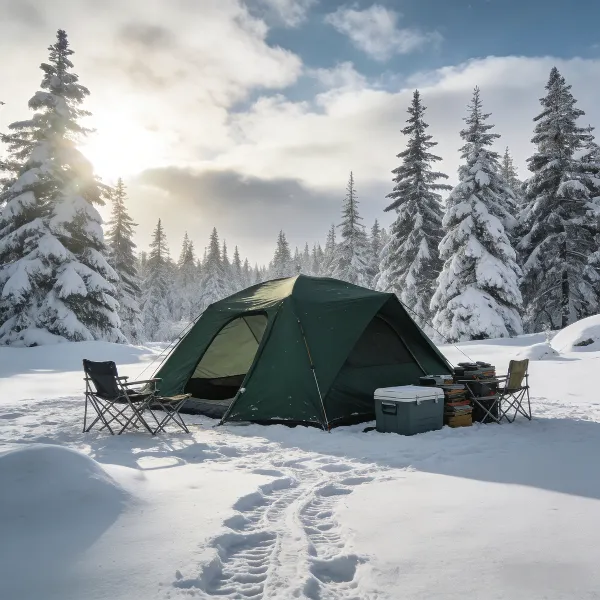
Where you set up camp can have a big impact on how warm your tent stays. Look for a flat, sheltered spot away from strong winds. Trees, rocks, and snowdrifts can offer natural protection against the wind, which will help keep the chill out.
If you can’t find a natural windbreak, build one yourself by stacking snow or rocks around your tent. This will help block the wind and keep the warmth inside your tent.
Managing Condensation Inside the Tent
Condensation is a common issue when camping in the winter, as the moisture from your breath can build up inside the tent. The best way to combat this is by ensuring proper ventilation. Even though it’s cold outside, open the vents slightly to allow airflow and reduce moisture buildup.
Without ventilation, moisture can freeze on your tent’s interior and leave you dealing with frost in the morning. A little airflow goes a long way in preventing this problem.
How to Safely Use a Heat Source in Your Tent
Using a heater inside your tent can make a big difference on those especially chilly nights, but safety is paramount. Always place your heater away from your sleeping area to avoid any fire hazards. Make sure the area around your heater is clear of any flammable materials.
Ventilation is essential when using any heat source inside your tent. Keep at least one vent open to allow the carbon monoxide to escape, reducing the risk of poisoning. Never leave your heater running while you’re asleep, and always follow the manufacturer’s safety guidelines.
Warm Up with Food and Drinks
Eating warm food and drinking hot beverages is a simple but effective way to stay warm during winter camping. Hot drinks like tea, cocoa, or soup can help regulate your body temperature and keep you feeling cozy.
In addition, eating a hearty meal before bed will give you the energy you need to stay active and warm throughout the night. Always pack easy-to-prepare winter camping meals to keep your spirits high and your body fueled for the adventure.
Winter Camping Do's and Don’ts
Winter camping comes with its own set of dos and don’ts. Knowing what to do (and what to avoid) will help you have a safer, more enjoyable experience.
Do: Layer Up Before Bed
One simple but effective way to stay warm is to layer up before heading to bed. Adding extra layers of clothing before you crawl into your sleeping bag helps trap heat and prevents cold exposure.
Don’t: Ignore Tent Ventilation
Ventilation is crucial when camping in the winter. If you don’t manage condensation properly, frost and ice can build up inside your tent. Make sure you open the vents slightly, even if it’s freezing outside, to keep your tent dry and comfortable.
Do: Use a Tarp Underneath Your Tent
To add another layer of insulation and protect your tent from the cold ground, consider using a tarp underneath your tent. This will help block moisture and keep the cold from seeping into your sleeping area. Plus, it provides a layer of protection from rough ground surfaces and prevents your tent from getting damaged.
Conclusion
Camping in a tent in the winter is an unforgettable experience that offers peace, solitude, and breathtaking landscapes. With the right preparation, you can stay warm, comfortable, and safe no matter how cold it gets. By choosing the right gear, setting up your campsite thoughtfully, and managing your tent’s warmth, you can enjoy your winter camping adventure to the fullest. Remember, winter camping is about embracing the cold and preparing for it, not avoiding it. So grab your gear, get ready for the adventure, and enjoy the beauty of winter camping.
For more tips on camping activities and delicious winter camping meals, check out What to Do When Camping and Camping Food.