A well-planned camping packing list is the key to a smooth, enjoyable outdoor adventure. Forgetting one small item can turn an exciting trip into a frustrating one. Whether you are planning a family getaway, a relaxed glamping weekend, or a classic tent trip, this camping packing list helps you pack with confidence.
This guide explains what to bring camping in a clear, practical way. It balances comfort, safety, and convenience for a family-oriented American audience. Use it as your go-to camping packing list to avoid overpacking, stay organized, and focus on making memories instead of solving problems.
Why a Complete Camping Packing List Is Essential
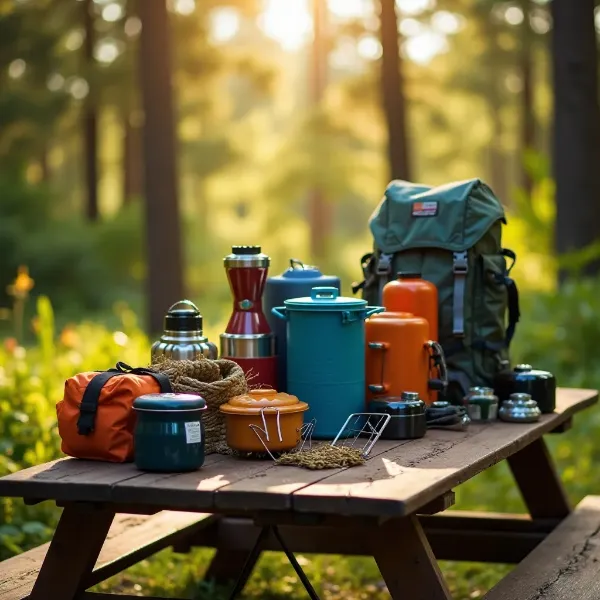
A complete camping packing list helps you prepare for different conditions, locations, and camping styles. Weather changes, limited store access, and outdoor risks make preparation essential. Packing with a clear list reduces stress and keeps everyone comfortable.
This camping packing list is organized by category, so you can quickly build your own camping gear list. It works for family camping, car camping, and glamping. You can easily adjust it based on trip length, destination, and personal needs.
What to Bring for Specific Camping Styles (Glamping vs. Traditional Camping)
Different camping styles call for different packing priorities. A smart camping packing list reflects how you plan to camp. Traditional camping focuses on practicality and portability, while glamping emphasizes comfort and style.
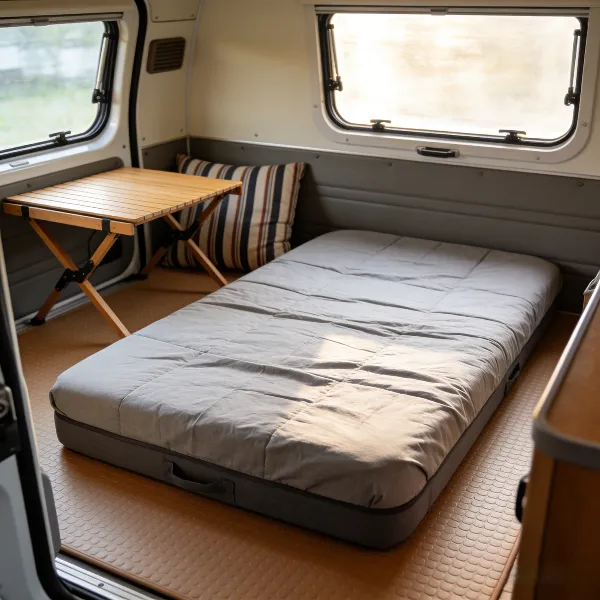
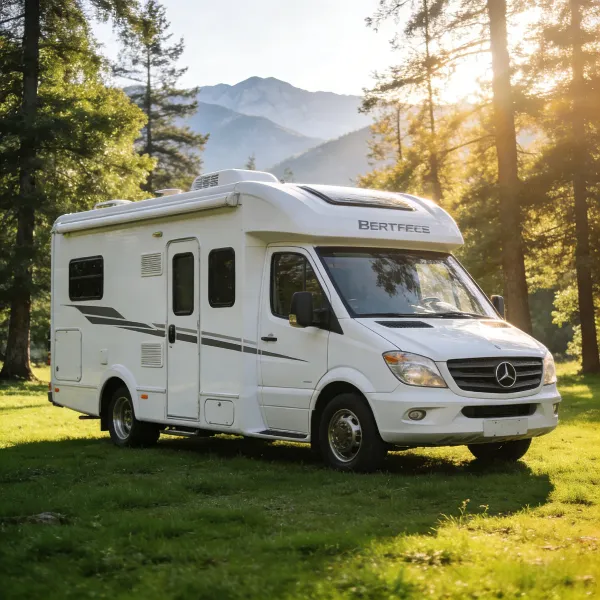
Traditional campers usually pack lightweight gear, compact cookware, and versatile clothing. Glampers may bring thicker bedding, decorative lighting, and coordinated glamping outfits. If you are traveling by car or using a van for camping, you have more flexibility to include comfort-focused items without worrying about space.
Shelter & Bedding Essentials: Creating Your Home Away from Home
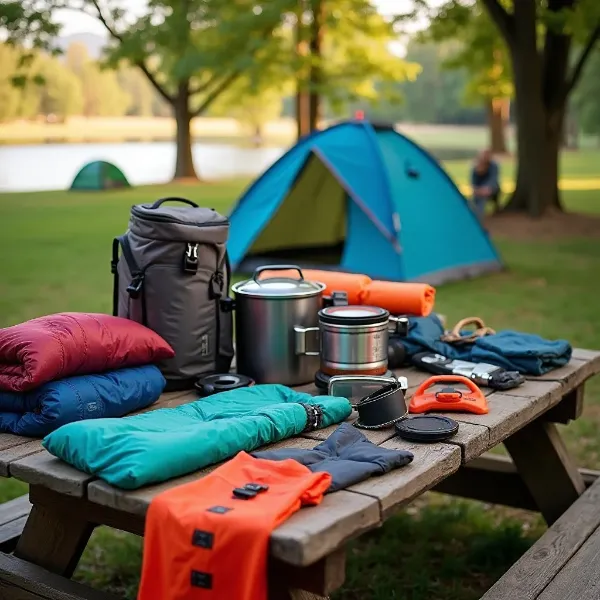
Your shelter setup defines your comfort level at camp. A reliable tent and proper bedding protect you from the elements and help everyone sleep well. This part of the camping packing list focuses on rest, warmth, and personal space.
Tents: Finding the Right One for Your Trip
The right tent depends on group size, weather, and campsite type. Family tents offer more headroom and space, while smaller tents are easier to transport. Always check waterproof ratings and ventilation before choosing.
Key tent items to include in your camping packing list:
- Tent body and rainfly
- Poles, stakes, and guylines
- Groundsheet or footprint
- Small repair kit
Setting up the tent at home first can save time and frustration at camp.
Sleeping Bags & Pads: Comfort During the Night
Sleeping bags should match expected nighttime temperatures. Rectangular sleeping bags are comfortable for families, while mummy bags retain heat better. Sleeping pads add insulation and cushioning, which makes a big difference on uneven ground.
Sleep-related essentials include:
- Season-appropriate sleeping bags
- Foam pads or inflatable sleeping pads
- Extra blanket for colder nights
Good sleep keeps kids happier and adults more patient during the trip.
Pillows and Extras: Ensuring a Restful Sleep
Camp pillows are often overlooked but improve sleep quality. Inflatable or compressible pillows save space while offering support. A few small extras can make your tent feel more like home.
Helpful comfort items include:
- Compact camping pillows
- Eye masks or earplugs
- Lightweight fleece throws
These additions make your camping packing list feel complete without adding much bulk.
Cooking & Kitchen Gear: Fuel for Your Adventure
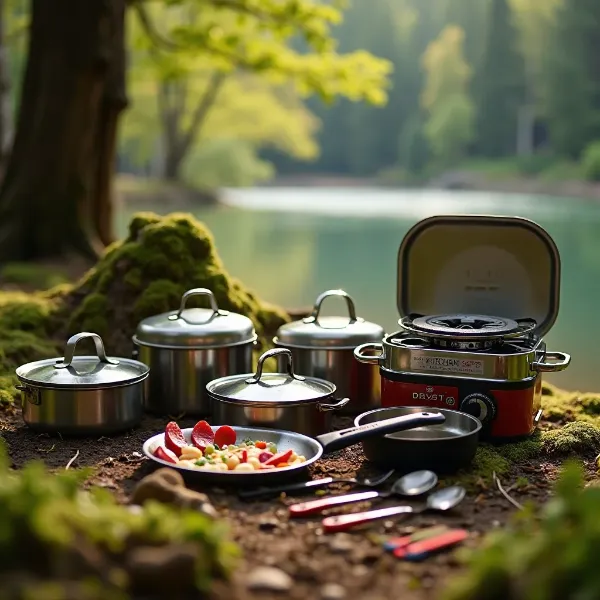
Meals bring everyone together at camp, so a solid kitchen setup matters. This section of the camping packing list focuses on safe food prep, simple cooking, and easy cleanup. Planning ahead keeps mealtimes relaxed and enjoyable.
Portable Stoves and Fuel: What to Choose
A portable stove makes cooking faster and more reliable than campfires alone. Choose a stove based on group size and the meals you plan to cook. Always pack more fuel than you think you need.
Cooking heat essentials include:
- Portable stove or grill
- Fuel canisters or propane
- Wind shield for efficiency
- Matches or lighter
Check campsite fire rules before your trip to avoid surprises.
Cooking Essentials: Pans, Utensils, and More
Simple, durable cookware works best outdoors. Focus on items that serve multiple purposes and are easy to clean. Avoid bringing too many specialty tools.
Basic cooking items to include in your camping gear list:
- Frying pan and medium pot
- Cooking spoon, spatula, and tongs
- Cutting board and sharp knife
- Plates, cups, and reusable cutlery
Planning meals ahead helps refine your camping supplies list.
Keeping Food Fresh: Coolers and Ice Packs
Proper food storage is essential for safety and convenience. A good cooler keeps perishables fresh and drinks cold. Separate raw foods from ready-to-eat items to avoid cross-contamination.
Food storage essentials include:
- Insulated cooler
- Ice packs or block ice
- Resealable containers
- Trash and recycling bags
For easy meal ideas, browse family-friendly camping food options that work well outdoors.
Safety & Hygiene: Protecting Yourself on the Trail
Safety and hygiene are critical parts of any camping packing list. Being prepared reduces risks and keeps everyone comfortable. This section covers basic health, protection, and cleanliness needs for all ages.
First-Aid Kits: What to Pack
A well-stocked first-aid kit helps handle minor injuries and common issues. Tailor it to your family’s needs and trip length.
First-aid essentials include:
- Adhesive bandages and gauze
- Antiseptic wipes
- Pain relievers
- Allergy medication
- Tweezers and small scissors
Store the kit somewhere easy to access, not buried in gear.
Bug Protection and Sunscreen: Staying Safe Outdoors
Insects and sun exposure can quickly ruin a camping trip. Protection is especially important for kids and those with sensitive skin.
Protection items to add to your camping packing list:
- Insect repellent
- Broad-spectrum sunscreen
- After-bite treatment
- Wide-brim hats or caps
Reapply as needed, especially after swimming or sweating.
Toiletries & Hygiene: Staying Clean While Camping
Good hygiene keeps everyone comfortable and healthy during the trip. Portable, travel-size items work best and save space.
Hygiene essentials include:
- Toothbrush and toothpaste
- Biodegradable soap
- Hand sanitizer
- Wet wipes
- Quick-dry towels
Always follow campground rules for wastewater disposal.
Clothing & Personal Items: Comfort and Function
Clothing choices affect comfort more than many campers expect. A smart clothing plan helps you handle changing weather and activities. This section of the camping packing list focuses on versatility and comfort.
Layering for Every Season: What to Pack
Layering allows easy temperature control throughout the day. Breathable, moisture-wicking fabrics work best for outdoor activities.
Layering essentials include:
- Lightweight base layers
- Insulating mid-layers
- Warm outer layers
- Extra socks and underwear
Always pack one extra outfit for children.
Rain Gear & Footwear: Staying Dry and Comfortable
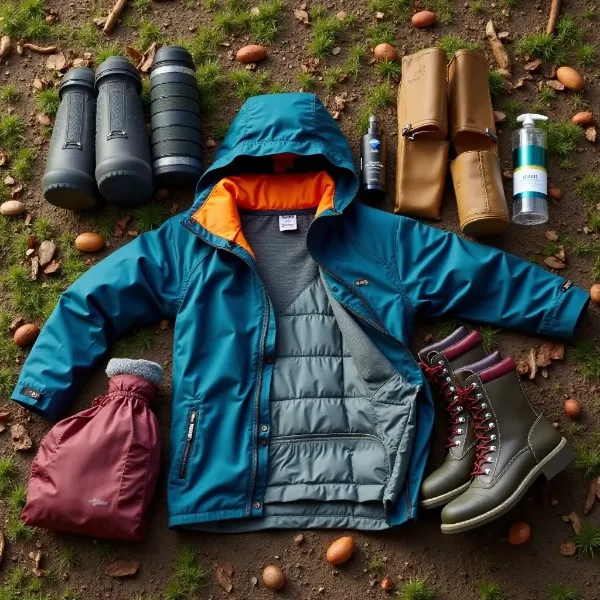
Rain can arrive unexpectedly, even in good forecasts. Proper rain gear and footwear prevent discomfort and blisters.
Rain-ready items include:
- Waterproof jackets
- Rain pants
- Hiking boots or trail shoes
- Camp sandals or flip-flops
Break in new footwear before your trip to avoid sore feet.
Glamping Outfits: Adding Style to Your Adventure
Glamping allows room for comfort and personal style. Choose clothing that looks good but still works outdoors.
Popular glamping outfits include:
- Soft sweaters or cardigans
- Comfortable jeans or leggings
- Stylish yet practical boots
- Simple accessories like scarves or hats
These choices add fun without sacrificing comfort.
Bonus Items for Comfort and Convenience
Once you cover the basics, a few extras can greatly improve your experience. These items are not essential, but they make your camping packing list more enjoyable, especially for families.
Camp Chairs & Lanterns: Make Your Campsite Comfortable
Comfortable seating and reliable lighting improve evenings at camp. Choose sturdy items that are easy to pack and set up.
Comfort-focused extras include:
- Folding camp chairs
- Lanterns or LED lights
- Headlamps or flashlights
Good lighting improves safety and creates a welcoming campsite.
Power Solutions: Solar Chargers and Power Banks
Power solutions help keep phones and small devices charged. They are useful for navigation, emergencies, and photos.
Power essentials include:
- Portable power banks
- Solar chargers
- Extra charging cables
Limit device use to conserve power during longer trips.
Check the Weather: Packing Tips Based on Forecast
Weather plays a major role in how comfortable your trip will be. Always check the forecast a few days before leaving. Adjust your camping packing list to match expected conditions.
For cold weather, pack insulated layers, warmer sleeping gear, and gloves. For hot climates, bring extra water, sun protection, and lightweight clothing. Rain forecasts call for waterproof storage, extra socks, and quick-dry towels. Flexible planning keeps your trip enjoyable in any season.
Conclusion
A thoughtful camping packing list turns a trip into a relaxing, memorable experience instead of a stressful one. By planning ahead, adjusting for camping style, and preparing for weather, you stay comfortable and confident. Whether you prefer simple tent camping or upgraded glamping, this camping packing list covers what matters most. Use it before every trip to pack smarter, travel lighter, and enjoy the outdoors fully.