Camping trips can be an amazing escape into nature, but taking proper care of your gear is essential to make sure it stays in good condition. Cleaning your tent regularly helps keep it free from dirt, stains, and mold, ensuring that it lasts longer and serves you well on every trip.
Wondering how to clean a tent? Whether you’re cleaning after a messy adventure or preparing for the next one, this step-by-step guide covers everything you need to know. You’ll learn how to wash a tent, remove stains, and store it the right way for maximum longevity.
Step 1: Preparing Your Tent for Cleaning
Before jumping into the wash, make sure you prep your tent properly. The goal here is to remove dirt and make the cleaning process easier, while ensuring the tent stays in good shape.
Empty and Sweep Out Debris
Start by completely emptying your tent. Remove any gear, sleeping bags, or other items you’ve stored inside. Give it a good shake to get rid of any dirt, leaves, or small debris.
Next, grab a broom or small hand brush to sweep the interior. This step is especially important if you’ve camped in sandy or dusty areas, as it helps remove dirt before the deep clean.
Spot Clean Stubborn Stains
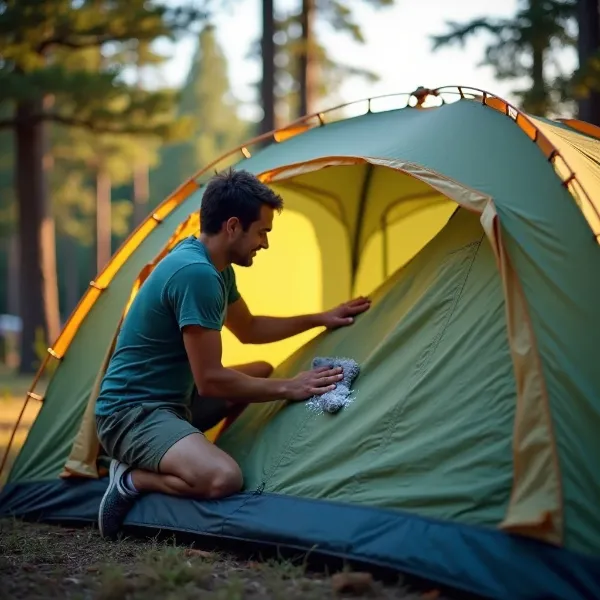
If there are any stubborn stains—like tree sap, bird droppings, or food spills—spot cleaning will help. Use a damp cloth or sponge with mild soap and gently scrub the stained area.
It’s best to focus on these stains before washing the entire tent to avoid scrubbing too hard later on. Spot cleaning ensures you tackle problem areas without over-stressing the fabric.
Step 2: Washing Your Tent
Now that your tent is prepped, it’s time for the washing process. Make sure you follow the right steps to avoid damaging the fabric or the waterproofing.
Filling a Tub with Water
Choose a large tub, bathtub, or sink to wash your tent. Fill it with lukewarm water—never hot water, as it can weaken the fabric or damage coatings. If you have a larger tent, head to a laundromat that offers big tubs or sinks.
Choosing the Right Soap
When it comes to soap, don’t just grab any old detergent. Household detergents or bleach can strip the fabric and affect waterproofing. Instead, opt for a cleaner specifically designed for outdoor gear.
If you can’t find an outdoor cleaner, go for a mild, biodegradable soap (like Dr. Bronner’s) that’s free of harsh chemicals. It’ll clean the tent without damaging the fabric.
Agitate and Soak
Once your water’s ready, submerge the tent and gently agitate the water. Let it soak for 10 to 15 minutes. This gives dirt and grime time to loosen.
Avoid using a washing machine—it can damage the fabric, zippers, and seams. Handwashing is the best way to ensure your tent stays in one piece and remains ready for your next camping trip.
Step 3: Rinsing and Drying Your Tent
After your tent has been washed, the next steps are rinsing and drying. Proper rinsing and drying help ensure your tent stays clean and doesn’t develop mold or mildew.
Rinse Thoroughly
Once you’re done washing, it’s time to rinse out all the soap. Make sure to rinse the tent with clean, cold water, either in the tub or outside with a hose. Don’t leave any soap residue behind, as it can affect the fabric’s breathability and waterproof properties.
If your tent is too big for a tub, a gentle hose rinse outdoors should do the trick. Just make sure to rinse thoroughly to avoid soap buildup.
Drying Your Tent
Proper drying is key. Never store a wet tent, as moisture can lead to mold and mildew. To dry your tent, hang it outside in a shaded area with good airflow. Avoid direct sunlight because UV rays can degrade the fabric over time.
If you need to dry it faster, you can use a clothes dryer on a low setting, but be careful not to overheat the fabric. If possible, air-drying is the best option.
Step 4: Storing Your Clean Tent
Proper storage ensures your tent stays in great shape for future use. Here’s how to pack and store it correctly.
Packing Your Tent Properly
After drying, fold your tent carefully. Avoid rolling it too tightly, as that can put unnecessary stress on the fabric and cause wrinkles. Instead, fold it into a loose, flat shape to help prevent damage.
For extra care, store your tent in a breathable bag or mesh sack. This allows air to circulate, preventing moisture buildup.
Storing in a Cool, Dry Place
Finally, store your tent in a cool, dry location. A closet or basement is ideal. Avoid storing it in places like your attic, where the heat could break down the fabric over time.
If you don’t have a lot of space, just make sure it’s somewhere safe from the elements and away from extreme temperatures.
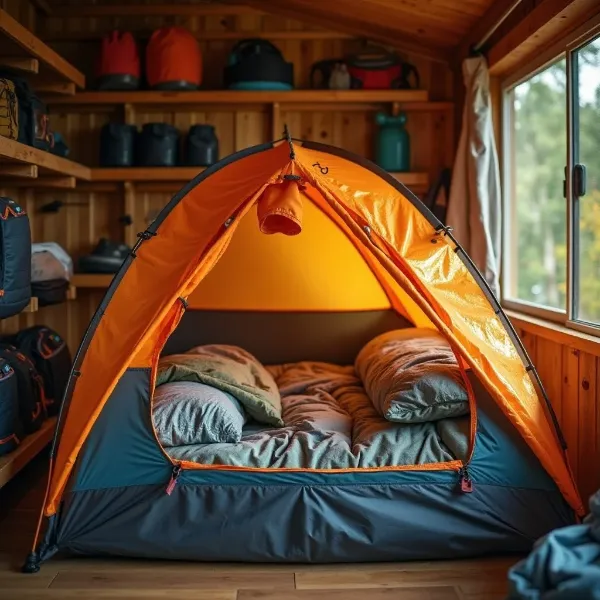
Can You Wash a Tent in a Washing Machine?
You may be wondering, can you wash a tent in a washing machine? While it might seem like a time-saver, washing a tent in a machine is not recommended. The harsh agitation can cause damage to the fabric, zippers, and seams.
Instead, wash your tent by hand in a tub or bathtub, using gentle methods. It’s a little more time-consuming, but it’s much safer for your tent in the long run. Always check the manufacturer’s instructions if you’re unsure.
How to Clean a Moldy Tent
If your tent has been sitting damp for too long, mold can start to form. Here’s how to clean it effectively:
- Brush off mold spores: Gently brush away mold using a soft brush. Wear a mask to avoid inhaling spores.
- Soak in a vinegar solution: Mix equal parts white vinegar and water in a tub. Let the tent soak for 10-15 minutes to kill mold spores.
- Wash thoroughly: After soaking, wash your tent as usual with mild soap, and rinse well.
- Dry completely: Make sure the tent is completely dry before storing it to prevent mold from coming back.
Prevent future mold growth by always drying your tent thoroughly before storing it, and avoid leaving it packed away while wet.
Conclusion
Taking care of your tent is essential for extending its lifespan and keeping it in top shape for every camping adventure. Learning how to clean a tent and following these steps will help you maintain your gear, remove stubborn stains, and prevent mold.
Proper washing, drying, and storage are key to ensuring your tent lasts through many camping seasons. By following these easy steps, you’ll keep your tent ready for every trip, no matter where your next adventure takes you. For more tips on outdoor gear maintenance, check out our guide on how to winterize a camper and keep mice out of camper.