If you're wondering how to get WiFi in a camper, you're not alone. Staying connected while traveling in an RV has become increasingly important, whether you're working remotely, navigating new routes, or simply streaming your favorite shows after a long day on the road. Reliable internet access can make camper life more convenient, productive, and enjoyable.
The good news is that there are several effective ways to get WiFi in a camper, from mobile hotspots and cellular data to satellite internet and signal boosters. In this guide, you'll learn how to get WiFi in a camper, the best internet options for RV travelers, and the equipment that can help you stay connected wherever your adventure takes you.
Why Camper WiFi Matters in Your RV?
Staying connected in your camper can make your road trips more enjoyable and hassle-free. Whether you're working on the go, keeping in touch with family, or just streaming your favorite shows, having WiFi in your RV offers plenty of benefits:
- Work from Anywhere: Many RV travelers work remotely, and reliable WiFi means you can stay productive no matter where you are.
- Stay Connected: Whether it's a quick video call with family or making an important business call, WiFi keeps you in touch with the world.
- Entertainment on the Road: You can easily stream movies, music, or catch up on social media while on long drives or parked at a scenic spot.
- Navigation & Safety: With internet access, you can use GPS apps, check the weather, or get real-time road updates, making your travels safer and easier.
- Convenience: WiFi makes it easy to look up nearby campgrounds, restaurants, or attractions, so you can plan your stops on the fly.

Top Ways to Get WiFi in Your Camper
When it comes to getting WiFi in your camper, there are several methods to choose from. Each one has its pros and cons, depending on your needs and where you're traveling. Let’s take a look at the best options.
Cellular Data: A Flexible Option for Road Warriors
Using cellular data is one of the most straightforward ways to stay connected. It allows you to tap into mobile networks, offering flexibility and convenience.
- How It Works: You can connect using a mobile hotspot or a router that supports 4G or 5G. Simply choose a carrier, set up a plan, and you’re good to go.
- Best For: This option is perfect for those who travel frequently through areas with solid cellular coverage. It’s also a good choice for people who need a reliable internet connection while on the move.
Satellite Internet (Starlink): High-Speed Internet for Remote Locations
If you’re headed to remote or off-the-beaten-path places where cell towers don’t reach, satellite internet like Starlink is a game-changer.
- How It Works: Starlink uses a network of low-orbit satellites to provide internet. You’ll need a satellite dish and a router to access the service.
- Best For: RVers who often find themselves in very remote areas with little or no cellular coverage. Starlink is ideal for those who need fast internet no matter where they are.
Campground Wi-Fi: Free but Unreliable
Many campgrounds offer free Wi-Fi, which sounds great – until you try to use it. While it can be convenient, campground Wi-Fi often has its limitations.
- How It Works: Most campgrounds provide a Wi-Fi network for campers to connect to. Some may require a password or registration.
- Best For: This option is fine if you don’t need a strong or consistent connection. If you're just checking emails or browsing, it might work for you, but don't count on it for heavy streaming or work.
Signal Boosters: Enhancing Weak Wi-Fi Signals
If you’re in an area with weak Wi-Fi or poor cellular data reception, a signal booster can help amplify the signal, giving you a better internet connection.
- How It Works: A signal booster captures and strengthens weak signals, improving the overall quality of your internet connection.
- Best For: If you rely on campground Wi-Fi or weak cellular service, a booster can give you the extra strength you need to stay connected.
Best Equipment for Getting WiFi in Your Camper
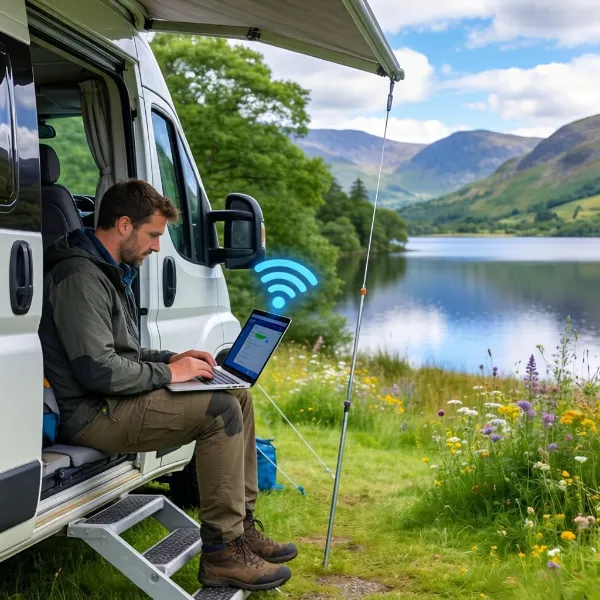
The right equipment can make a big difference in your internet experience on the road. Here are a few of the best tools to help you get WiFi in your camper:
Dedicated Hotspots and Routers
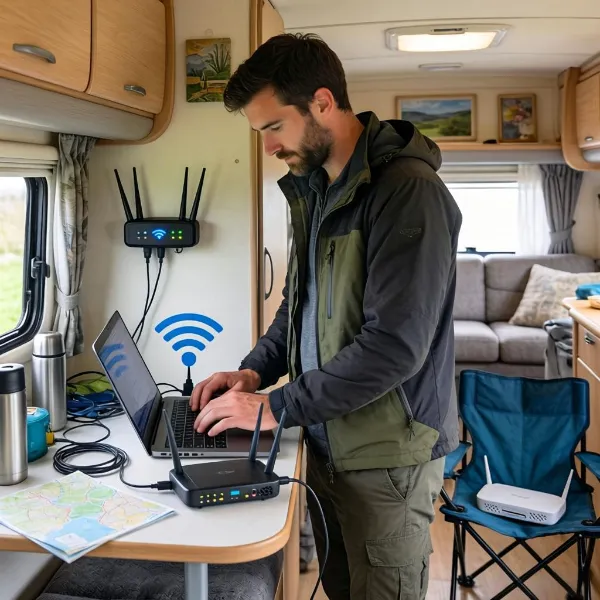
Dedicated hotspots or portable routers are excellent for creating a mobile Wi-Fi network in your camper. These devices are easy to set up and can connect multiple devices at once.
- Pros: Portable, reliable, and simple to set up. They can also connect multiple devices, so everyone in your RV can stay online.
- Examples: Popular hotspots like Verizon Jetpack and T-Mobile Hotspot are excellent choices, as are more advanced routers like the Netgear Nighthawk M1.
Using a Cellular Booster for Stronger Signals
A cellular booster can be a lifesaver in areas where signal strength is poor. It enhances the existing cellular signal to provide a more stable connection.
- Pros: It amplifies weak signals, ensuring faster speeds and fewer interruptions, especially when traveling through rural areas.
- Examples: The weBoost Drive X RV booster is one of the most reliable options on the market, offering solid performance for both cellular and hotspot connections.
Installing External Antennas for Improved Reception
External antennas can greatly improve Wi-Fi and cellular reception by boosting signals from a distance. These antennas can be installed on your RV’s roof or mounted for optimal performance.
- Pros: Provides enhanced reception for both campground Wi-Fi and cellular networks. They’re ideal for remote areas where signals are hard to reach.
- Examples: The Wilson Electronics 4G Omni Antenna is a great choice for RVers looking for stronger signal strength, especially in rural areas.
Tips for Consistent Wi-Fi Connectivity on the Road
To keep your internet running smoothly while you’re traveling, here are some practical tips for setting up and using Wi-Fi in your camper:
- Position Your Antenna Properly: Make sure your external antenna or booster is placed in a location with the least interference. The higher the placement, the better the signal.
- Choose the Right Data Plan: If you're using cellular data, choose a plan that matches your usage. Unlimited plans or high-data-cap plans are often the best choice for full-time RVers.
- Combine Internet Sources: Use a combination of options. For example, combine a mobile hotspot with campground Wi-Fi to ensure connectivity, even in areas with poor signals.
- Test Your Speed: Use apps like Speedtest to check your internet speed and make sure everything is working as it should. This will help you troubleshoot if you’re experiencing slow connections.
- Limit Background Usage: Turn off automatic updates and background apps to free up bandwidth for important tasks, like video calls or work emails.
Conclusion
Getting WiFi in a camper has never been easier, with a variety of options to suit different travel needs. Whether you opt for cellular data, satellite internet, or campground Wi-Fi, you can stay connected no matter where you roam. With the right equipment and setup, you can ensure smooth and reliable internet on your RV adventures, making your travels even more enjoyable and productive.