Camping in your RV or camper is meant to be a relaxing experience, but nothing can ruin a getaway faster than a rodent invasion. Mice are quick to find their way into campers, drawn by warmth, food, and shelter. Fortunately, there are plenty of simple and effective ways to keep mice out of your camper. In this guide, we’ll show you exactly how to prevent these little pests from taking over your space.
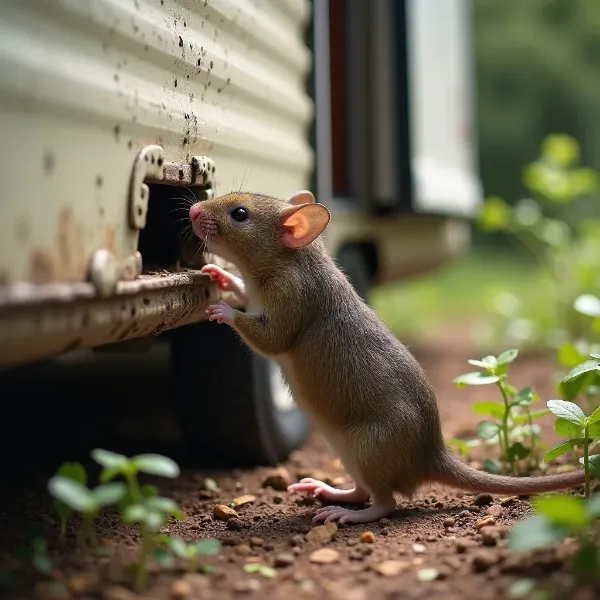
Why Mice Invade Campers and RVs: Understanding the Problem
Mice are opportunistic and will seek out any shelter that provides food, warmth, and protection from the elements. Let’s break down why campers are particularly inviting to rodents.
The Appeal of Campers to Rodents
Mice are naturally drawn to places that offer easy access to food and shelter. Unfortunately, your camper can be a perfect spot for them. These tiny creatures are excellent at finding small cracks and holes to sneak through, and they love to nest in cozy spots like under furniture or inside insulation. Warmth and shelter from the cold are especially appealing in the colder months, making campers a prime target.
Common Entry Points for Mice
Mice are experts at squeezing through surprisingly small gaps. They can easily slip into your camper through tiny cracks, holes, or unsealed areas. Common entry points include:
- Gaps around doors and windows
- Holes in vents or exhaust systems
- Spaces around plumbing or electrical wires
- Under the camper, around tires or skirting
These entry points are often easy to overlook, which makes them ideal for mice to slip in undetected.
How to Prevent Mice from Entering Your Camper
Now that you understand why mice are attracted to your camper, it’s time to focus on how to keep them out. Preventing rodents from entering your camper is all about blocking entry points, using natural repellents, and keeping the space clean and tidy. Here are the most effective ways to keep mice at bay.
Seal All Potential Entry Points
One of the most effective ways to prevent mice from entering your camper is to seal up any cracks or gaps. Mice can fit through spaces as small as a quarter of an inch, so thorough inspection is key. Here’s how to block entry points:
- Steel wool: Perfect for filling in small cracks around doors or windows.
- Copper mesh: Great for sealing vents and exhaust pipes.
- Spray foam: Ideal for larger gaps around the undercarriage.
By sealing up all potential entry points, you’re making it much harder for mice to get in.
Install RV Skirting
RV skirting is a fantastic way to keep rodents from nesting underneath your camper. It essentially creates a barrier between the ground and the camper, preventing mice from sneaking in through the bottom. Skirting also helps with insulation, keeping your camper warmer during colder weather. It’s a great investment if you plan to camp in areas prone to rodents.
Use a Non-Toxic Repellent Spray
Another great way to keep mice away is by using non-toxic repellent sprays. These sprays are typically made from natural ingredients like peppermint or citrus oils, which mice find unpleasant. Apply these sprays around the frame of your camper, around plumbing and vents, and near any potential entry points to deter rodents from coming near.
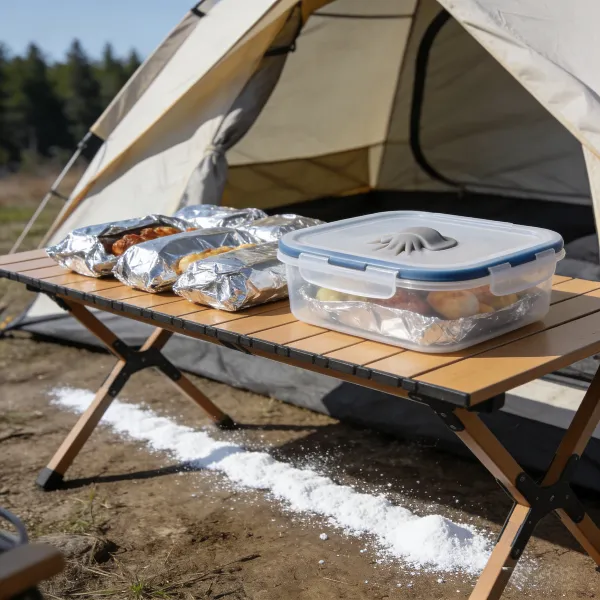
How to Remove Attractants and Prevent Mice from Nesting in Your Camper
Mice are opportunistic, so if they find food or materials for nesting inside your camper, they’re more likely to stick around. Eliminating these attractants is essential in keeping mice out of your camper. Here’s how to make sure your camper stays uninviting to rodents.
Clean Your Camper Thoroughly
Mice are drawn to food, crumbs, and spills, so keeping your camper clean is essential. Be sure to clean all surfaces, including countertops, tables, and inside appliances. Wipe up any food residue regularly, especially in hard-to-reach places like under furniture or inside cabinets. Regular cleaning will help ensure that there’s nothing for mice to snack on.
Store Food Securely in Airtight Containers
Mice have an excellent sense of smell and are attracted to even the smallest crumbs or food scraps. To prevent mice from finding a food source, store all your food in airtight, rodent-proof containers. This includes not just snacks and canned goods but also pet food and toiletries like soap or toothpaste. Keeping food sealed tightly will help eliminate one of the main attractions for mice.
Clear Out Potential Nesting Materials
Mice love to build nests in soft, cozy places, like towels, linens, or paper products. Make sure to keep these materials stored securely in cabinets or bins. Regularly check for any signs of nesting in hidden areas, such as under the bed or inside couch cushions. The fewer nesting materials available, the less likely mice are to make your camper their home.
Use Natural Deterrents to Keep Mice Away
If you’re looking for more natural ways to keep mice out of your camper, there are a few plant-based and ultrasonic solutions you can try. Here are some common methods to deter rodents naturally.
Plant-Based Scents That Deter Mice
Mice are sensitive to certain smells, and some natural scents are known to repel them. Here are a few plant-based options that can help keep mice at bay:
- Peppermint oil: Mice can’t stand the smell of peppermint. Soak cotton balls in peppermint oil and place them near entry points or inside your camper.
- Clove oil: The strong scent of clove oil is another natural deterrent for mice.
- Cinnamon sticks: Placing cinnamon sticks around your camper can also help keep mice away.
- Dryer sheets: While not as potent as oils, dryer sheets can be used in places where you suspect mice might be lurking.
These natural scents can help create an environment that mice want to avoid.
Ultrasonic Rodent Repellents: Do They Work?
Ultrasonic rodent repellents emit high-frequency sounds that are unpleasant to mice. Some people find these devices effective at keeping mice out of their campers, but results can vary. While ultrasonic devices might not be a complete solution on their own, they can be a useful addition to your overall strategy when combined with sealing gaps and removing food sources.
Other Physical Barriers and Solutions
Beyond natural scents and repellents, there are other physical deterrents to consider:
- Lighting: Mice prefer dark, hidden areas. Installing motion-activated lights underneath your camper can make it less inviting to rodents.
- Sticky traps: While not a long-term solution, sticky traps can be helpful for catching any mice that do manage to get inside.

Maintain a Clean and Strategic Parking Spot
Where you park your camper can have a big impact on whether or not mice get inside. Choosing the right spot and keeping the area clean can help reduce the risk of rodents. Here are some tips to keep in mind.
Park on Concrete or Gravel
Mice are less likely to venture into areas with hard, solid surfaces. Parking your camper on concrete or gravel instead of grass or near dense brush makes it harder for mice to burrow or find their way inside. A paved surface creates a barrier that makes it more difficult for rodents to access your camper.
Regular Inspections and Maintenance
Even with all the preventive measures in place, it’s important to regularly inspect your camper for signs of mice. Look for droppings, gnaw marks, or nests, especially in hidden areas like under furniture or inside storage compartments. Conducting periodic checks will help you catch any problems early before they escalate.
Conclusion
Knowing how to keep mice out of your camper is essential for a hassle-free and enjoyable camping experience. By sealing entry points, removing attractants, and using natural repellents, you can keep your camper rodent-free. Regular inspections and maintenance also play a crucial role in ensuring that mice don’t make themselves at home.
With these simple tips, you’ll be able to enjoy your time in your camper without worrying about unwanted guests. For more tips on camper maintenance, check out our guide on how to winterize a camper. If you're interested in camping from the back of your truck, see our truck bed camping guide.