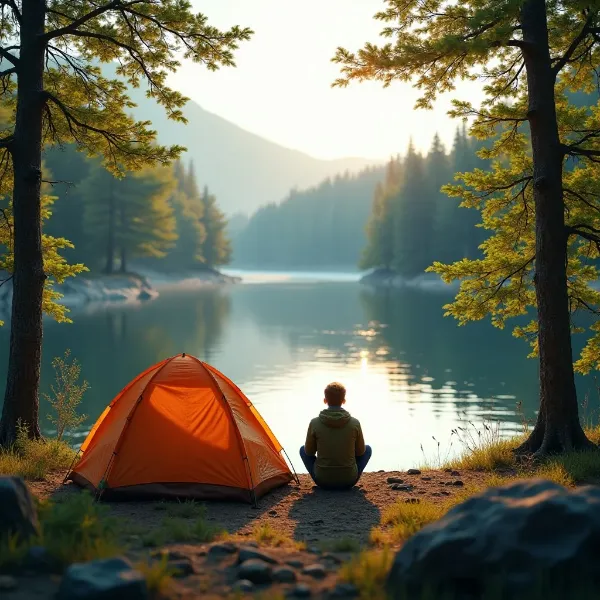
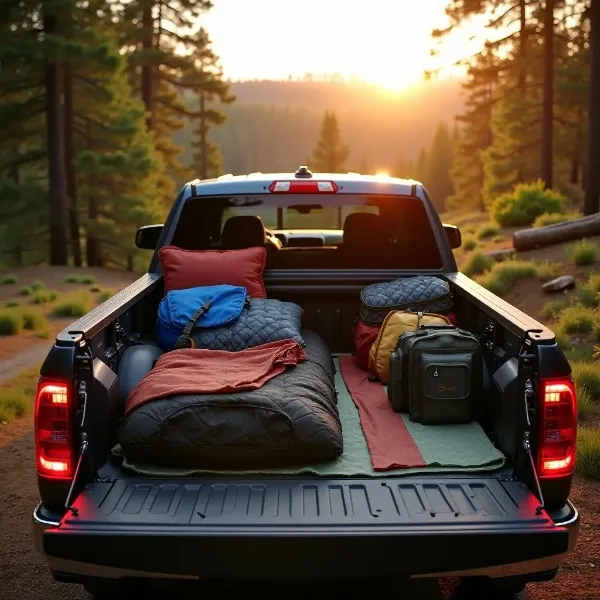
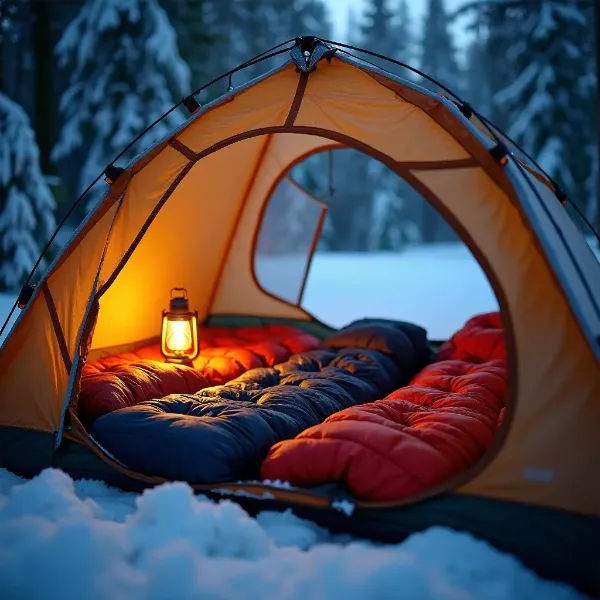
Living in a camper is an exciting and adventurous lifestyle choice that offers unmatched freedom. Whether you're looking to escape the 9-to-5 grind, explore the great outdoors, or simplify your life, full-time RV living can be the perfect fit. But before you hit the road, it’s essential to understand what this lifestyle truly entails. From budgeting and RV maintenance to adapting to seasonal weather, this guide will walk you through everything you need to know about living in a camper full-time.
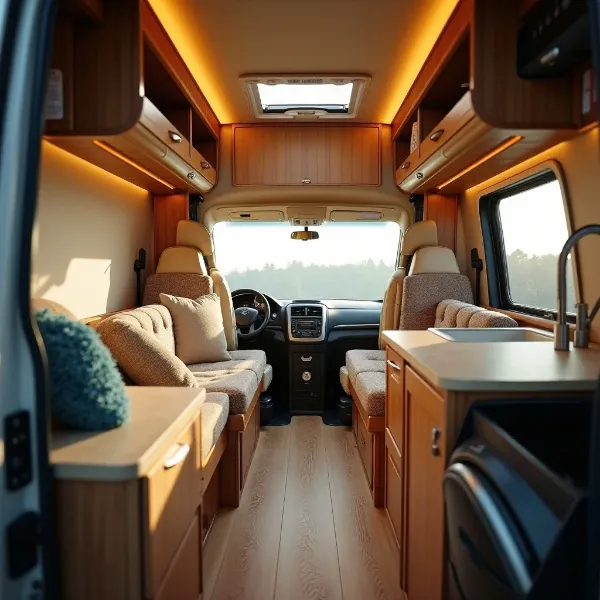
Can You Live in a Camper Full Time?
Living in a camper full-time isn’t just for vacationers—more and more people are choosing to make it their permanent home. It offers flexibility and the ability to travel at your own pace. But it also requires a few adjustments, like downsizing your belongings and learning how to manage utilities like water and electricity on the go.
While it’s absolutely possible to live in a camper year-round, it's essential to consider factors like your choice of RV, the climate you'll be living in, and how you'll stay connected. But before making that leap, let's dive into some key considerations.
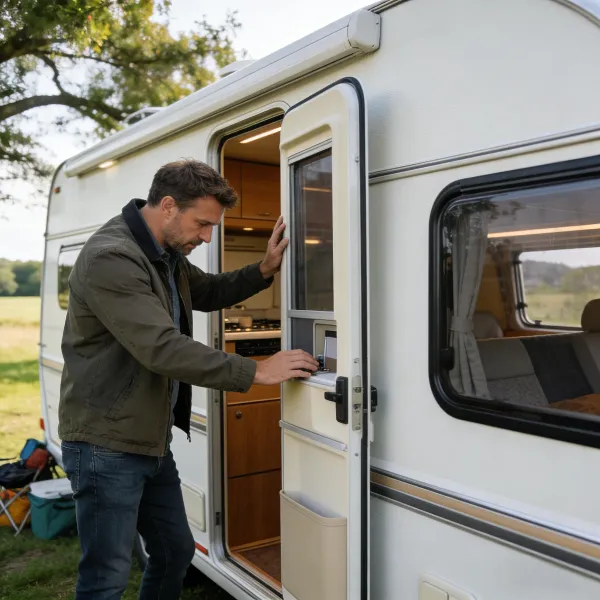
What to Consider When You Decide to Live in a Camper?
Living in a camper full-time is a major lifestyle shift, and there are several things you’ll need to think through before making the leap. Whether it's the type of RV you choose or how you’ll handle day-to-day logistics, being prepared can make a huge difference in your experience.
Here are five important things to think about before you start living in a camper full-time.
1. Choosing the Right RV
Picking the right RV is one of the most important steps in transitioning to full-time camper life. There are many options—like motorhomes, fifth wheels, and travel trailers—and each offers different pros and cons. The size of the RV and its amenities will depend on how much space and comfort you want. Consider factors like the number of people living in the RV, storage space, and how much you plan to travel.
2. Managing Power and Water Needs
RVs are different from traditional homes in that they rely on limited resources like water and electricity. Full-time RV living requires planning for power, water, and waste management. Solar panels, generators, and campground hookups can all provide the energy you need, but it’s important to understand how each works before making your choice. Likewise, managing fresh water and waste disposal can take some getting used to, especially if you're traveling to remote areas.
3. Budgeting for Full-Time RV Living
Living in a camper full-time can save money on rent and utilities, but it’s important to budget for the extra costs that come with RV life. Maintenance, fuel, insurance, and campground fees can add up quickly. By planning ahead, you’ll be able to avoid unexpected expenses and make sure your lifestyle is sustainable in the long run.
4. Seasonal Considerations
One of the great things about full-time RV living is the freedom to choose your surroundings. However, it’s essential to consider the season and weather conditions in different parts of the country. Living in a camper year-round means dealing with temperature extremes. Be sure your RV is suited for all seasons, especially if you plan on living in a camper in the winter.
5. Connectivity and Work
For many full-time RVers, staying connected to work or family is a priority. It’s essential to find reliable internet and phone service, especially if you're working remotely. There are various options, such as mobile hotspots and satellite dishes, but make sure you know the coverage and speed you’ll need before hitting the road.
8 Benefits of Living in a Camper
Living in a camper full-time offers a wealth of benefits. Whether you’re looking for adventure, a more affordable lifestyle, or a simpler way of living, full-time RV life can give you exactly what you're looking for. Let's dive into eight key benefits that might make you want to try RV life for yourself.
Living in a camper opens the door to a lifestyle that’s flexible, exciting, and rewarding. Here are eight major benefits to consider.
1. Flexibility to Travel
One of the top benefits of living in a camper is the freedom to go wherever you want, whenever you want. No more worrying about vacation time or being stuck in one place. Whether you're drawn to the coast, the mountains, or a charming small town, your home goes with you. You can explore new places and make memories along the way.
2. Simplified Lifestyle
Downsizing to life in a camper means you’ll need to focus on what’s truly important. With limited space, you’ll have to let go of items that don’t add value to your life. This minimalist lifestyle can bring a sense of calm and clarity. You’ll have fewer things to maintain and more time to enjoy the things that really matter.
3. Lower Living Costs
Living in a camper can help reduce your living expenses, especially when it comes to rent, utilities, and property taxes. Many people who live full-time in RVs save money by cooking their own meals and avoiding hefty utility bills. If you travel smart and make wise spending choices, full-time RV living can be much cheaper than a traditional home.
4. Closer Connection with Nature
Living in a camper means you’ll be spending a lot of time in natural settings. Whether it's camping by a lake or staying near the mountains, you’ll be surrounded by beautiful landscapes. For nature lovers, living in a camper is the perfect way to be closer to the outdoors and experience the beauty of the world every day.
5. Improved Family Time
Living in a camper brings families closer together. The smaller space encourages everyone to spend more time with each other, whether it’s sharing meals, playing games, or exploring new places. For families with young children, full-time RV life can offer a chance to bond and create lasting memories.
6. Healthier Lifestyle
Living in a camper often means spending more time outdoors and staying active. Whether you’re hiking, biking, or just exploring new towns, RV life encourages a healthier lifestyle. Plus, with the ability to cook your own meals, you can easily maintain a healthier diet compared to eating out all the time.
7. Customizable Space
While RVs may be smaller than traditional homes, they offer plenty of opportunities for customization. You can personalize your camper with your favorite decor, improve storage solutions, and even renovate certain areas. Over time, your RV can become your ideal mobile home, uniquely suited to your needs.
8. Stronger Sense of Community
The RV community is known for being warm and welcoming. Whether you're staying in a campground or a RV park, you’ll meet people from all walks of life who share the same lifestyle. The camaraderie of fellow RVers can provide a sense of connection and support as you travel.
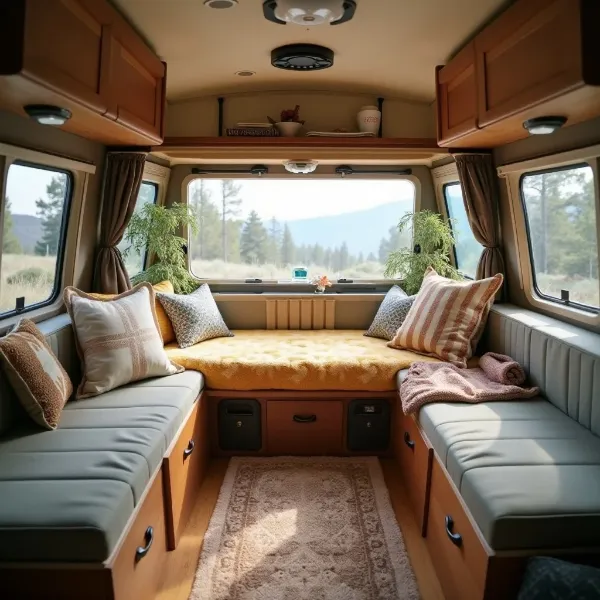
Struggles of Living in an RV
While living in a camper has plenty of perks, it also comes with its own set of challenges. The limited space, maintenance needs, and unpredictable weather can take some getting used to. Here are five struggles you may face and how to manage them.
Living in a camper full-time isn’t always smooth sailing, but being aware of the challenges can help you navigate through them. Here’s what you might encounter along the way.
1. Limited Space
One of the most noticeable struggles of RV life is the lack of space. Downsizing means you’ll need to get creative with how you store and organize your belongings. Living in close quarters can feel cramped at times, so you’ll need to be comfortable with minimalism and make efficient use of your RV’s storage options.
2. Maintenance and Repairs
RVs require maintenance to stay in top shape, and repairs can sometimes be costly. Whether it's fixing the plumbing, dealing with engine issues, or repairing the roof, there’s always something that needs attention. Keeping up with regular maintenance can help prevent breakdowns and ensure your RV lasts longer.
3. Lack of Privacy
Living in close quarters with family or roommates can feel intense, especially if you're used to having your own space. Privacy is often limited in an RV, and it can be hard to find alone time when you're parked in a busy campground. Finding ways to carve out personal space, even if it’s just a few minutes a day, is crucial.
4. Limited Amenities
While RVs have many features that make them feel like home, they lack some of the conveniences of traditional houses. Smaller kitchens, tiny bathrooms, and the occasional lack of Wi-Fi or laundry facilities can make things difficult. Adjusting to these limitations requires flexibility and the ability to make do with less.
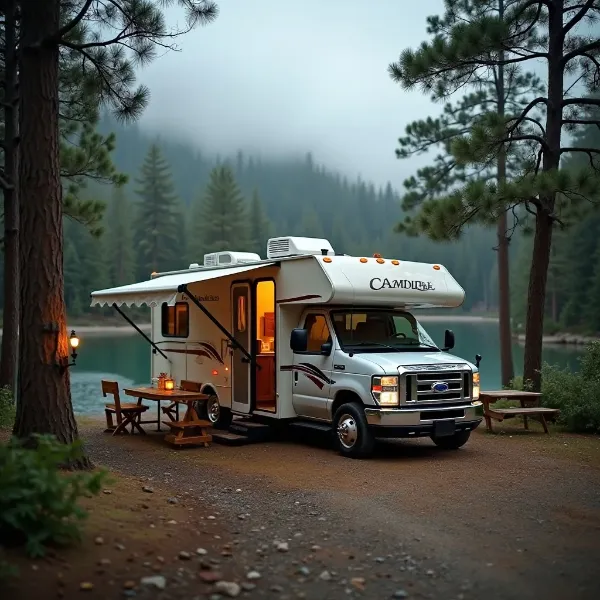
Additional Advice for Full-Time RV Living
If you’re planning on living in a camper full-time, there are a few more tips that can make your experience smoother and more enjoyable. Here’s some extra advice to help you live your best RV life.
Here are some important tips for full-time RV living:
- Set a routine – Having a daily schedule helps you stay organized.
- Stay prepared for repairs – Keep tools and a repair kit handy for minor fixes.
- Maximize storage – Organize your space to keep everything neat and tidy.
- Plan your campgrounds – Research campgrounds in advance, especially in peak season.
- Keep your RV clean – A tidy space makes living more comfortable.
- Budget well – Keep track of your spending to avoid financial surprises.
- Be flexible – Embrace spontaneity and adapt to changes in your plans.
Conclusion
Living in a camper full-time can be an incredibly rewarding and fulfilling lifestyle. It offers freedom, flexibility, and a closer connection to nature. While there are challenges like limited space and maintenance, the benefits far outweigh the struggles. By planning ahead and adjusting your mindset, living in a camper can become your dream lifestyle.