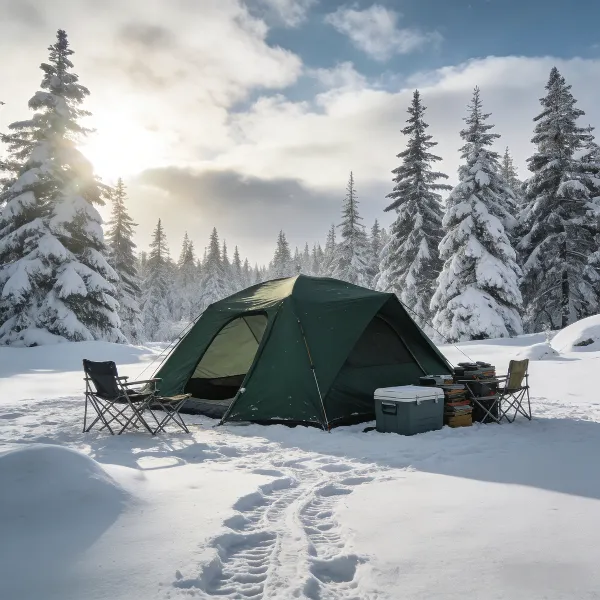
If you’re planning your next camping trip, you’ve probably come across the term “tent footprint.” But what exactly is it, and do you really need one? Whether you're hiking through rugged terrains or camping in the backyard, a footprint can be a game-changer for your tent's longevity. In this article, we’ll explain what a tent footprint is, its purpose, and why it's worth considering for your camping gear.
What Is a Tent Footprint?
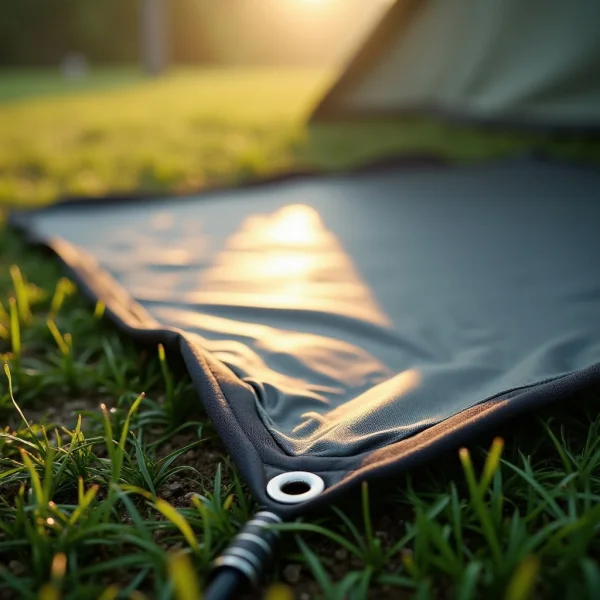
A tent footprint is essentially a protective groundsheet that goes under your tent to shield it from rough, uneven surfaces. Made from durable materials like polyethylene or nylon, it helps prevent the tent floor from getting damaged by sharp rocks, twigs, or gravel. In addition to protecting your tent from wear and tear, a footprint also adds extra waterproofing, which can keep the bottom of your tent dry, even in wet conditions.
Besides protection, it serves another important purpose—comfort. A footprint can help insulate you from the cold ground, keeping you warmer during chilly nights. It also offers some resistance against water, reducing the chances of moisture seeping into your tent. So, whether it’s protecting your tent floor or keeping you cozy, a footprint is an affordable investment for any camper.
When You Need a Tent Footprint?
While not all camping situations demand a footprint, there are several scenarios where it comes in handy. Here are some instances where you’ll definitely benefit from using a footprint:
- Rocky or uneven terrain: If you’re camping on rough ground with rocks, gravel, or sharp objects, a footprint will protect your tent’s floor from damage.
- Wet weather conditions: Whether it's rain, dew, or snow, a footprint adds an extra layer of waterproofing, ensuring the inside of your tent stays dry.
- Backpacking or lightweight trips: A footprint adds minimal weight to your pack but offers essential protection for your tent, making it a smart choice for backpackers.
- Frequent campers: For campers who spend a lot of time outdoors, a footprint can greatly extend the life of your tent by protecting it from constant use.
- Camping in debris-prone areas: Whether you're in a forest with pine cones or a desert with sand, a footprint ensures your tent floor stays intact, no matter the debris.
In general, a footprint is a must-have for situations where you're facing harsh or unpredictable conditions. It gives your tent the protection it needs to last longer.
How to Use a Tent Footprint Effectively
To get the most out of your tent footprint, here are some practical tips to keep in mind:
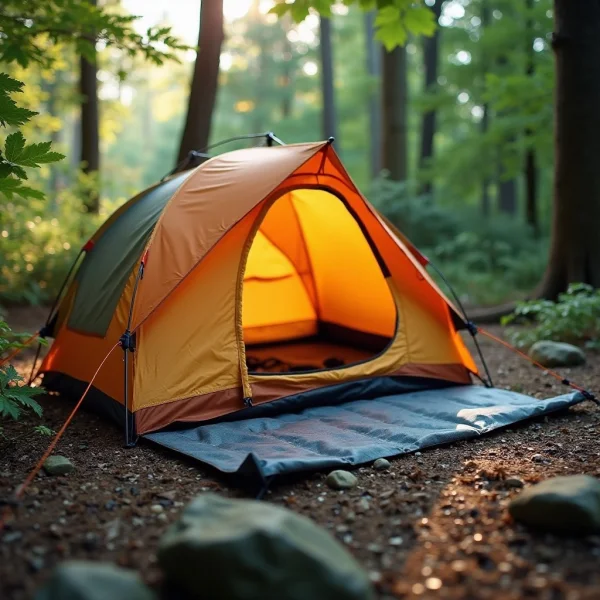
- Get the right size: The footprint should be a little smaller than the tent’s floor, so it doesn’t extend beyond the edges. A footprint that’s too large can trap water underneath, while one that’s too small won’t provide full protection.
- Place it properly: Lay the footprint flat on the ground before setting up your tent. Make sure the rough side (if there is one) is facing up to help with water resistance. Center it under your tent to ensure full coverage.
- Secure it if needed: If you're camping in windy conditions, staking down the footprint can keep it in place. Some footprints come with grommets or loops to make this easier.
- Choose quality material: Different materials offer different levels of durability. Polyethylene is common and budget-friendly, while nylon with a waterproof coating offers more durability for tougher conditions.
- Check and maintain it: After each trip, inspect the footprint for damage. Regularly clean it to remove dirt, moisture, or debris that can cause wear. A well-maintained footprint will protect your tent for many seasons.
By following these tips, you’ll ensure your footprint does its job of keeping your tent safe and sound on every trip.

Conclusion
In conclusion, a tent footprint is a simple yet essential piece of gear for any camper. It protects the bottom of your tent from wear and tear, adds an extra layer of waterproofing, and helps insulate against cold ground. Whether you’re camping on rugged terrain, in wet weather, or just want to prolong the life of your tent, a footprint is a wise investment. With proper use, it can make your outdoor experience more comfortable and hassle-free.