When you're planning a camping trip in your RV or camper, a generator can make all the difference. Whether you're powering up lights, your air conditioner, or charging devices, having the right-sized generator ensures a comfortable and stress-free experience. Choosing the wrong one can lead to frustrating power shortages or wasteful fuel consumption. In this guide, we'll help you figure out what size generator you need for your camper, so your next adventure is powered up and ready to go.
Why a Generator Is Great for Your Camper?
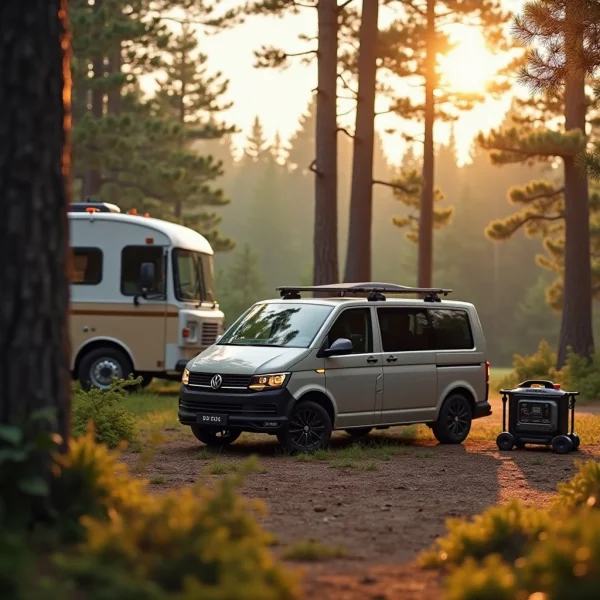
A generator is an essential companion for any camper, giving you the ability to enjoy the comforts of home no matter where you park. If you're heading out to a remote campground or a place without hookups, a generator provides power for lights, appliances, and more. Here's why it's such a game-changer:
- Power Anywhere: Whether you're camping deep in the woods or on a remote beach, a generator ensures you can run lights, fridges, and other essentials even without electrical hookups.
- Convenience: You won’t have to worry about charging your devices, brewing coffee, or keeping your food fresh. A generator gives you the power to enjoy modern conveniences no matter where you are.
- Comfort and Flexibility: A generator allows you to run essential appliances, like air conditioners or heaters, which makes your camping experience more comfortable.
- Backup Power: Power outages can happen even at established campgrounds. With a generator, you'll have a reliable backup that keeps everything running smoothly.
- Cost-Effective Energy: For long trips, a generator is often more affordable than relying on solar panels, especially when camping in places with limited sunlight.
A generator gives you more freedom to enjoy remote locations while still maintaining the comforts you're used to at home.
Generator Sizing Guide by Camper Type
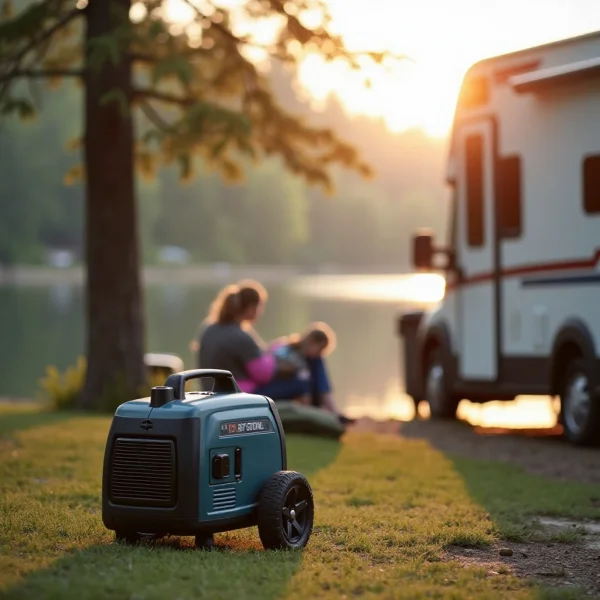
The size of generator you'll need depends largely on the type of camper you have and what appliances you'll be running. Here's a breakdown of the ideal generator wattage for different camper types:
Pop-up Trailers & Small Travel Trailers: 2,000–3,000 Watts
For smaller campers, like pop-up trailers or compact travel trailers, a generator between 2,000 and 3,000 watts will typically cover your basic needs. This should be enough to power lights, a small refrigerator, and charge your devices. If you plan to use an air conditioner, you'll need to go with a generator closer to 3,000 watts to handle the additional power draw.
Mid-Size Travel Trailers (20-30 ft): 3,000–4,000 Watts
If you're in a mid-sized travel trailer (20–30 ft), you’ll need a generator between 3,000 and 4,000 watts. This will cover the usual essentials like lights, fridge, microwave, and potentially a single air conditioner. If you're running multiple devices at once, or if your AC unit is large, you may want to choose a generator on the higher end of this range to ensure it can handle the load.
Large 5th Wheel & Travel Trailers (30-40 ft): 5,000–7,500+ Watts
For large travel trailers or 5th wheel campers, you'll need more power to run all the appliances and equipment comfortably. A 5,000–7,500-watt generator is ideal for handling the higher demands of a larger RV. These campers often have bigger air conditioners, full kitchens, and more electrical devices, all of which require a generator that can provide enough wattage to run everything simultaneously.
Class A Motorhomes: 6,000–8,000+ Watts
Class A motorhomes are the largest and most feature-rich RVs, and they need a generator with more power. For these big rigs, you’ll typically need a generator between 6,000 and 8,000 watts. This will ensure you can run multiple air conditioners, kitchen appliances, and electronic devices without any problems. If you're planning to use several appliances at once, choose a generator that falls on the higher end of this range.
How to Choose the Right-Sized Generator for Your Camper: Key Considerations
Choosing the perfect generator size isn’t just about picking a number—it involves understanding your camper’s needs and how much power your appliances will require. Here are some important factors to consider:
- Power Requirements of Appliances: Take note of the wattage requirements for your appliances. Air conditioners, fridges, and microwaves are power-hungry, and you need to make sure your generator can support all your essential devices. Look at both "running watts" (constant power usage) and "surge watts" (power needed for startup).
- Simultaneous Appliance Use: Think about how many appliances you'll need to run at the same time. If you plan on running your AC, microwave, and fridge together, a higher-wattage generator will be necessary. Always factor in extra wattage to avoid overloading the generator.
- Surge vs. Running Watts: Some appliances, like air conditioners or refrigerators, use more power to start up than to keep running. A generator's surge wattage needs to cover these spikes in power when appliances are first turned on, while the running watts can handle the steady power draw.
- Fuel Type & Efficiency: Consider the fuel options available—gasoline, propane, or diesel. Each has pros and cons, with gasoline often offering more power, propane being cleaner and quieter, and diesel lasting longer on a tank. Make sure to pick the one that fits your needs and how long you'll be camping.
- Portability & Noise Levels: If you’re traveling often or need to move the generator around, portability becomes important. Smaller, lighter generators are easier to store and transport. Additionally, noise levels matter—especially if you're camping in a quiet spot. Look for models that operate quietly to avoid disturbing the peace.
- Climate & Seasonal Use: Consider the seasons and climates you’ll be camping in. If you're heading to warm weather, you’ll likely need an air conditioner, which draws more power. In cooler weather, you might need less power for heating and cooling. Plan accordingly for your specific needs.
These considerations will help you find a generator that’s the right fit for your camper, ensuring you can power everything you need without going overboard.
Conclusion
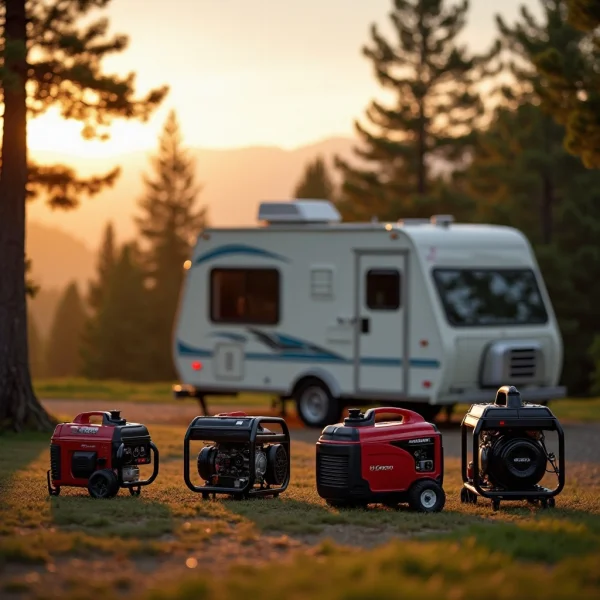
Choosing the right size generator for your camper can make all the difference in your camping experience. Whether you're in a small pop-up trailer or a large Class A motorhome, understanding your camper's power needs and choosing the right wattage ensures you won’t be left in the dark (or the heat). By considering factors like your appliances’ wattage, how many devices you’ll use at once, and the fuel type, you’ll be set for a comfortable and stress-free adventure.