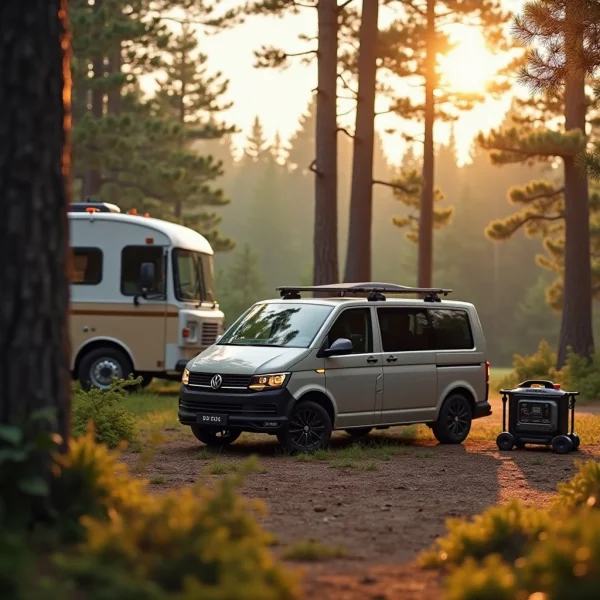
Planning a camping trip? What to wear camping can make a huge difference in how comfortable and enjoyable your experience is. Choosing the right clothes for the weather, activities, and location helps you stay comfortable, dry, and safe. Whether you're camping in the summer heat or braving the winter chill, dressing appropriately will ensure you're always ready for whatever nature throws at you.
This guide walks you through what to wear for camping, with tips for each season, layering techniques, and a packing checklist to make sure you're always prepared.
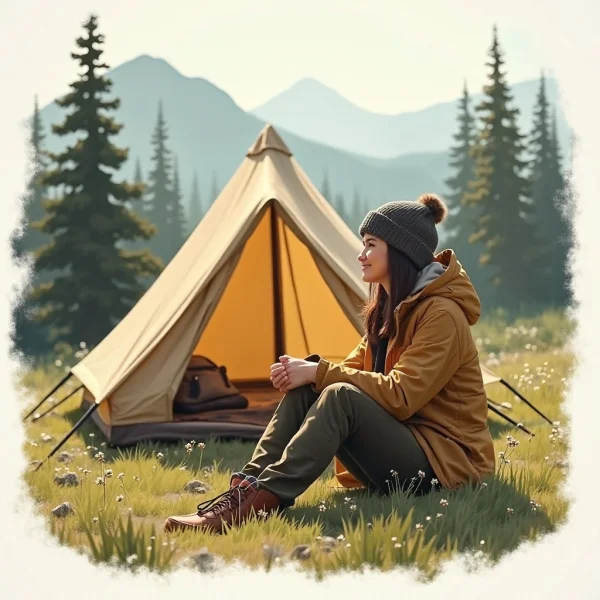
Why Choosing the Right Camping Clothing Matters
The clothes you wear while camping have a big impact on your comfort and safety. The right clothing helps you stay dry, warm, or cool depending on the weather. It also protects your skin from the sun and bugs, and prevents injuries from rough terrain. Choosing the right fabrics and layers allows you to move freely and adapt to changing conditions, so you can enjoy your time outdoors without worrying about being uncomfortable. Good camping clothes make your trip more enjoyable, no matter the season.
Camping Dress Guide for Different Seasons: Essential Camping Checklist
Every season calls for different camping gear, so knowing what to wear camping during each one is essential. Here’s a breakdown of clothing for each season:
Summer Camping Outfits
Summer camping is all about staying cool and comfortable. The days are long and the temperatures can climb, so you'll need lightweight, breathable clothing that keeps you dry. Quick-drying fabrics like polyester, nylon, or merino wool are great choices. Here’s a simple packing list for summer camping:
- Moisture-wicking shirt: Keeps sweat off your skin, so you stay dry.
- Convertible pants: Zip-off pants let you adjust quickly if it gets hot.
- Breathable shoes: Choose sandals or shoes with mesh to keep your feet cool.
- Sunscreen and sunglasses: Protect yourself from the sun's harsh rays.
Spring and Fall Camping Clothing
In spring and fall, temperatures can be all over the place, so layering is key. Start with moisture-wicking base layers, add a warm middle layer, and finish with a waterproof jacket to protect against the occasional rain shower. Here's what to pack for these transitional seasons:
- Base layer: A lightweight long-sleeve shirt or fleece jacket keeps you warm.
- Insulating layer: A medium-weight sweater or jacket to keep you cozy.
- Waterproof jacket: This layer keeps you dry in unpredictable weather.
- Sturdy boots: Waterproof hiking boots are perfect for damp conditions.
Winter Camping Essentials
Winter camping is a whole different challenge. When the temperature drops, you’ll need more insulation and protection from the elements. Choose clothing that traps body heat while letting moisture escape. Here's a winter-ready packing list:
- Thermal base layers: Merino wool or synthetic fabrics keep you warm and dry.
- Heavy-duty outerwear: Insulated jackets and pants protect against the cold.
- Waterproof gloves and boots: Keep your extremities warm and dry.
- Thermal socks: Wool socks are the best for keeping your feet warm, even when wet.
Packing Tips for the Perfect Camping Wardrobe
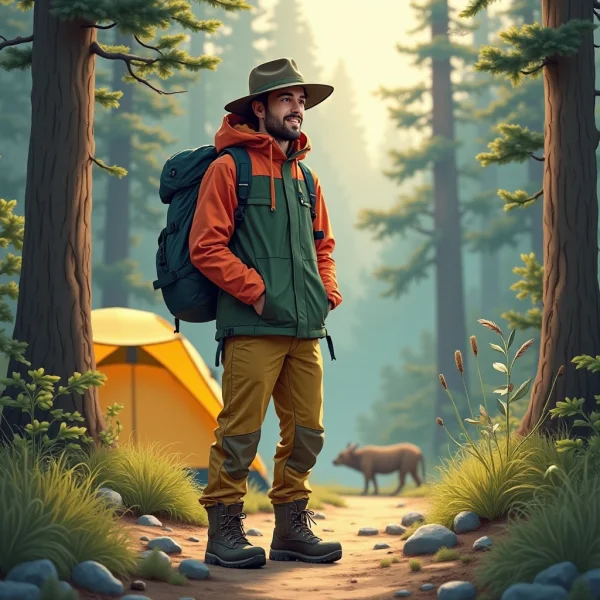
When it comes to packing for a camping trip, less is often more, but you still need the right essentials to stay comfortable. Here are some packing tips to make sure you're ready for anything:
- Layer Up: Layering is the key to dressing for the outdoors. Start with a moisture-wicking base, add an insulating layer for warmth, and top it off with a weatherproof jacket. This allows you to adjust as temperatures change throughout the day.
- Choose Quick-Drying Fabrics: Whether you're hiking or sitting around the campfire, quick-drying fabrics like polyester or merino wool are a must. These materials wick moisture away from your skin, keeping you dry and comfortable.
- Pack Extra Socks and Underwear: Nothing beats a fresh pair of socks and underwear on a camping trip. Wool socks are great because they keep your feet warm and dry, even if they get wet.
- Wear Comfortable Footwear: Whether you’re hiking, exploring, or relaxing around the campfire, comfortable footwear is essential. Waterproof hiking boots or trail runners will help you tackle rough terrain, while sandals or camp shoes can keep your feet comfortable at the campsite.
- Protect Yourself from the Sun and Bugs: Be sure to pack a wide-brimmed hat, sunglasses, and sunscreen to protect yourself from the sun. For summer trips, long sleeves and pants help guard against bugs, especially in the early morning and evening when mosquitoes are out.
- Be Ready for Unexpected Weather: The weather can change quickly when you’re out in nature. A lightweight rain jacket or poncho is easy to pack and can be a lifesaver if a sudden downpour catches you off guard.
- Pack Versatile Pieces: Choose clothing that can do double duty. A light jacket, for example, can keep you warm at night and be used as a pillow when you're resting. Multifunctional gear saves space and makes packing easier.
- Don’t Forget the Basics: Simple things like extra food, water, and a first-aid kit are important, but so is making sure you’ve packed the right clothes. Keep in mind that you'll be outdoors all day, so dress for comfort and protection.
By following these packing tips, you’ll ensure you’ve got everything you need for a fun, comfortable camping experience.
Conclusion
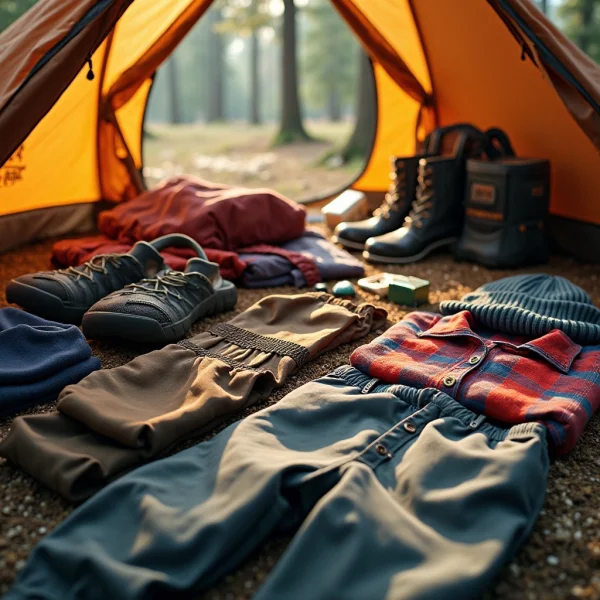
Choosing what to wear camping is all about being prepared for whatever nature throws your way. Whether you’re camping in the summer heat or braving the winter cold, wearing the right clothing will keep you comfortable, safe, and ready for adventure. Be sure to layer your clothing, choose moisture-wicking fabrics, and pack versatile, practical items. With the right gear, your camping trip will be that much more enjoyable. Happy camping!
For additional tips on gear, be sure to check out our guide on car camping essentials.